
In 1119, Pope Callixtus II decreed that three pilgrimages to Ynys Enlli — Bardsey Island — equalled one journey to Rome. For the next four hundred years, pilgrims walked the length of the Llŷn Peninsula to reach it, stopping at a chain of small churches along the way. That route still exists, largely unchanged, and it’s one of the peninsula’s most distinctive experiences — not just a history lesson, but a journey you can actually make.
The traditional pilgrim route runs the spine of the peninsula from the east, calling at a series of small medieval churches — Clynnog Fawr’s St Beuno’s just off the Llŷn proper is the traditional starting point for the wider North Wales Pilgrim’s Way, with the Llŷn stretch picking up through Llangwnnadl, Llandudwen and the churches around Botwnnog and Rhiw before reaching Aberdaron. St Hywyn’s Church, right on the beach at Aberdaron, was the pilgrims’ final stop on the mainland — a place to rest and wait for calm weather before the crossing.
The crossing itself is the whole point, and it’s worth being direct about it on the site: Bardsey Sound is a genuinely dangerous stretch of water, and access to the island is entirely dependent on licensed boat operators and weather — this isn’t a walk-on ferry, and trips are sometimes cancelled at short notice even in summer. Anyone planning the crossing should book ahead and build flexibility into their trip, not treat it as a guaranteed same-day outing.
Bardsey itself has no cars, no shop beyond a small honesty stall, and only a handful of residents — it’s known as “the island of 20,000 saints” for the pilgrims and monks traditionally said to be buried there, and a visit feels closer to stepping back several centuries than any other trip on the peninsula.
Getting to Bardsey itself is the part most visitors underestimate: crossings run seasonally, typically from April to September, depend entirely on the weather and the Sound’s notoriously unpredictable currents, and are usually booked as day trips or longer stays directly with the boat operators rather than through a general ferry timetable — always book in advance and expect the crossing to be cancelled or rescheduled at short notice if the Sound is too rough. Beyond its religious history, the island is also home to the Bardsey Bird and Field Observatory, which has recorded migrating birds there for decades and offers accommodation for visitors who want to stay longer than a day trip allows. For the fuller story of the pilgrimage route and its churches on the mainland, llyn.live’s companion article on the Pilgrim Churches of the Llŷn Peninsula covers that history in more depth — this piece is deliberately the practical, planning-focused companion to it, for anyone deciding whether and how to actually make the crossing.
This trail is designed to work even for visitors who never make the crossing: walking or driving the mainland pilgrim route church-to-church, finishing at St Hywyn’s in Aberdaron with the island visible offshore, is a complete and moving day out on its own — and it naturally routes visitors through Llangwnnadl, Botwnnog and Rhiw, exactly the kind of smaller villages this whole set of trails is built to bring visitors to.
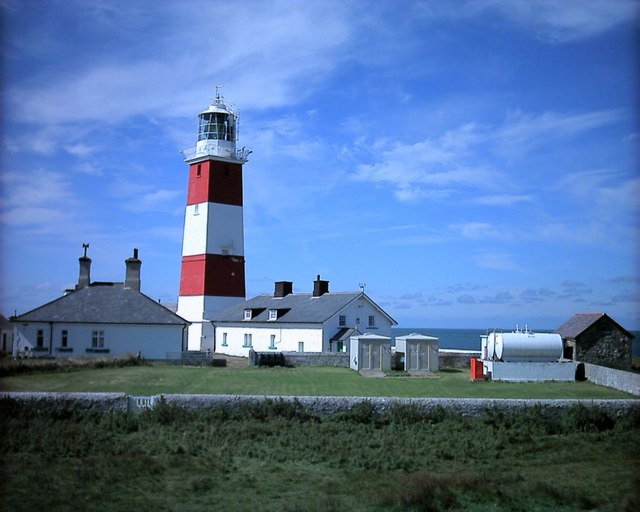
Photo: Bardsey Island lighthouse — Alan Fryer / Wikimedia Commons (CC BY-SA 2.0).